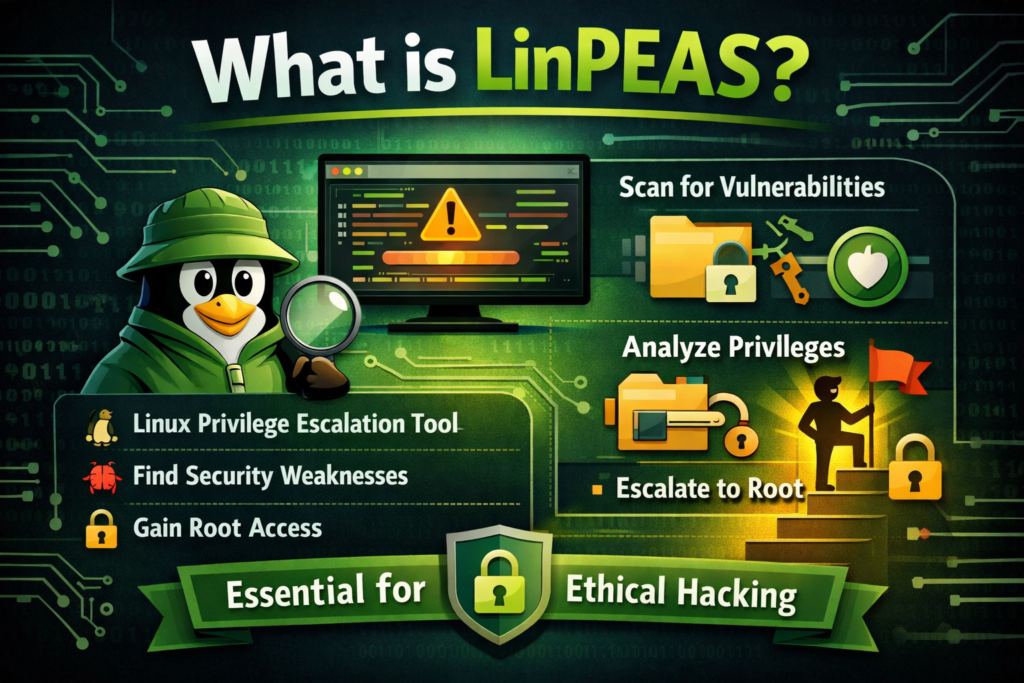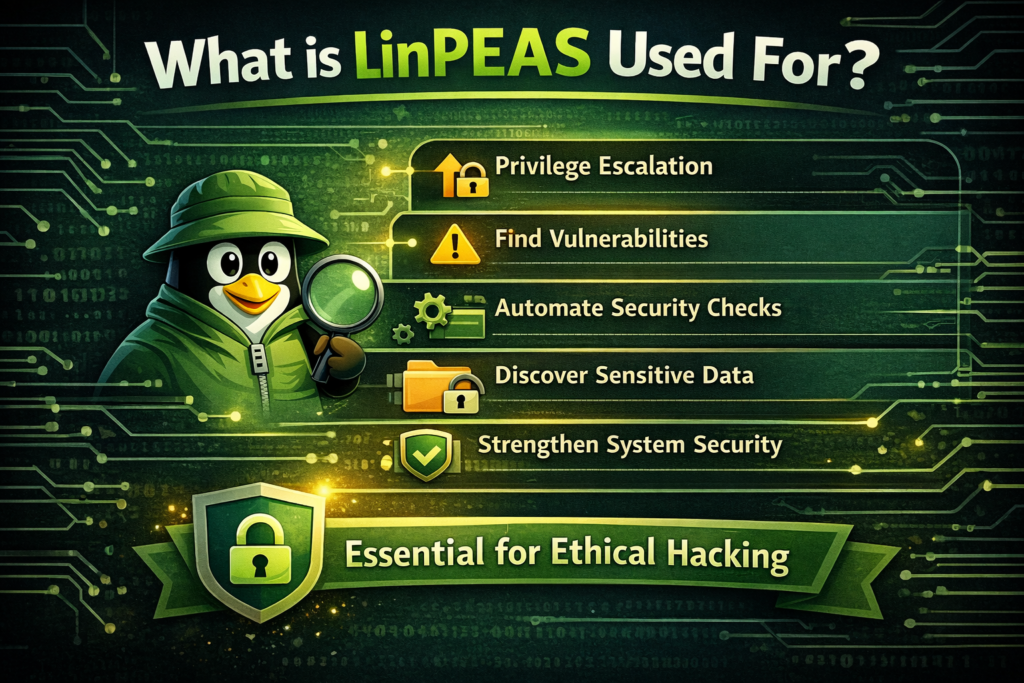

When it comes to privilege escalation and post-exploitation enumeration in Linux environments, LinPEAS has become one of the most widely used tools among cybersecurity professionals and ethical hackers. Its ability to quickly identify misconfigurations, weak permissions, and potential attack vectors makes it extremely valuable. However, relying on a single tool is never ideal in cybersecurity. Different environments require different approaches, and sometimes LinPEAS may not fit every scenario.
So, are there alternatives to LinPEAS? The simple answer is yes. There are several powerful tools available that can perform similar tasks, and in some cases, even provide unique advantages. Understanding these alternatives can help security professionals expand their toolkit and improve the efficiency of their assessments.
Why Look for Alternatives to LinPEAS?
LinPEAS is powerful, but it is not perfect. In some situations, it may produce too much output, making it difficult to identify the most critical vulnerabilities quickly. In other cases, certain systems may restrict script execution, limiting its effectiveness. Some users also prefer tools that are more targeted, modular, or lightweight depending on the environment.
Another important reason is flexibility. Cybersecurity is not a one-size-fits-all field. Different tools offer different detection techniques, and using multiple tools can help uncover vulnerabilities that one tool alone might miss. This layered approach improves accuracy and reduces the risk of overlooking critical issues.
Key Features to Look for in LinPEAS Alternatives
Before choosing an alternative, it is important to understand what makes a tool effective for privilege escalation and enumeration. A good alternative should be able to scan system configurations, identify weak file permissions, detect SUID binaries, and analyze cron jobs and running services. It should also provide clear and organized output to help users quickly understand potential risks.
Performance and ease of use also matter. Some tools are designed for quick checks, while others offer deep analysis. The best choice depends on your specific needs, whether you are performing a quick penetration test or a detailed security audit.
Popular Alternatives to LinPEAS
There are several well-known tools that can serve as effective alternatives to LinPEAS. Each of these tools has its own strengths and can be used depending on the situation.
LinEnum
LinEnum is one of the earliest and most widely recognized alternatives. It performs automated local enumeration and highlights potential privilege escalation paths. The script is simple to use and provides structured output, making it easier for beginners to understand.
One of the key advantages of LinEnum is its straightforward approach. It focuses on essential checks without overwhelming the user with excessive data. This makes it a good choice for those who prefer clarity over complexity.
Linux Smart Enumeration (LSE)
Linux Smart Enumeration, often known as LSE, is another strong alternative. It is designed to be fast, efficient, and highly customizable. Unlike some tools that dump large amounts of data, LSE organizes its findings into levels, allowing users to focus on the most relevant information first.
This tool is particularly useful in environments where time is limited. Its smart filtering system helps users quickly identify high-risk vulnerabilities without going through unnecessary details.
Unix-Privesc-Check
Unix-Privesc-Check is a classic tool that has been used for many years in penetration testing. It performs a wide range of security checks and identifies common misconfigurations that could lead to privilege escalation.
Although it may not have the modern interface of newer tools, it remains reliable and effective. It is especially useful for those who prefer a traditional approach to system auditing.
LES (Linux Exploit Suggester)
Linux Exploit Suggester takes a slightly different approach compared to LinPEAS. Instead of focusing only on enumeration, it analyzes the system and suggests possible exploits based on the kernel version and installed software.
This makes it an excellent complementary tool rather than a direct replacement. When used alongside other enumeration tools, it can significantly improve the chances of successful privilege escalation.
Pspy
Pspy is a unique tool that focuses on monitoring processes without requiring root privileges. It allows users to observe running processes in real time, which can help identify scheduled tasks or scripts that may be exploitable.
This tool is particularly useful in restricted environments where traditional enumeration methods may not work effectively. Its real-time monitoring capability provides insights that static scans cannot.
BeRoot
BeRoot is another interesting alternative that attempts to find privilege escalation paths by analyzing system configurations. It works on multiple platforms, including Linux, and provides detailed insights into potential vulnerabilities.
Its cross-platform capability makes it a versatile option for security professionals who work in diverse environments.
Comparing LinPEAS with Its Alternatives
While LinPEAS offers a comprehensive and aggressive scanning approach, many alternatives focus on specific aspects of enumeration. For example, LinEnum and LSE are more structured and easier to read, while tools like Pspy provide dynamic insights that LinPEAS cannot.
Choosing between these tools depends on the situation. If you need a quick overview, a lightweight tool like LinEnum may be sufficient. For deeper analysis, combining multiple tools can provide better results.
Another important factor is output readability. LinPEAS is known for its color-coded output, which helps highlight critical findings. However, some users may still find the volume of information overwhelming. Alternatives like LSE address this issue by prioritizing findings and reducing noise.
When Should You Use Multiple Tools?
In real-world penetration testing, using a single tool is rarely enough. Each tool has its strengths and limitations, and combining them can provide a more complete picture of the system.
For example, you might start with LinPEAS or LSE for general enumeration, then use Linux Exploit Suggester to identify potential exploits, and finally use Pspy to monitor system activity. This layered approach increases the chances of discovering hidden vulnerabilities.
Using multiple tools also helps validate findings. If two different tools identify the same issue, it increases confidence in the result and helps prioritize remediation efforts.
Tips for Choosing the Right Tool
Selecting the right alternative depends on your goals and the environment you are working in. If you are dealing with a restricted system, a lightweight or stealthy tool may be more appropriate. For larger environments, a comprehensive tool with detailed output may be more useful.
Ease of use is another important consideration. Beginners may prefer tools with clear and structured output, while experienced professionals may choose more advanced tools that offer deeper analysis.
It is also important to keep your tools updated. Cybersecurity is constantly evolving, and new vulnerabilities are discovered regularly. Using updated tools ensures that you are not missing critical findings.
The Importance of Ethical Use
All of these tools, including LinPEAS and its alternatives, should only be used in authorized environments. Unauthorized use can lead to serious legal consequences. Always ensure that you have proper permission before performing any security testing.
Ethical hacking is about improving security, not exploiting it for personal gain. Using these tools responsibly helps organizations identify and fix vulnerabilities before they can be exploited by malicious actors.
Conclusion
LinPEAS remains one of the most powerful tools for Linux privilege escalation and enumeration, but it is far from the only option. Alternatives like LinEnum, Linux Smart Enumeration, Unix-Privesc-Check, Linux Exploit Suggester, Pspy, and BeRoot each offer unique features that can enhance your security assessments.
The best approach is not to replace LinPEAS entirely, but to complement it with other tools. By building a diverse toolkit, you can adapt to different environments, improve accuracy, and uncover vulnerabilities more effectively.
In the end, cybersecurity is about staying flexible and continuously learning. Exploring alternatives to LinPEAS is a step in that direction, helping you become more efficient and effective in your security testing efforts.